Tree & Vine: Grapes

Grapes are the most valuable of the tree and vine crops. Like many other crops, re-establishing grape vineyards on top of previous grape vine populations invites many problems the young plants are not capable of handling. A mature level of parasites & pathogens already present in the soil from the previous crop. Consulting a Trident representative can help you make the right decisions for your soil health can be vital to re-establishing profitable vineyards. Our highly trained associates will analyze your fields and tell you if which fumigation, if any, is the right choice for your farm.
A proper fumigation, especially on a valuable vineyard, will boost your yield per acre more than enough to cover the cost of our services and increase your bottom-line profitability.
Nematodes
Plant nematodes are parasitic microscopic roundworms that feed on plant roots. They live in soil or within the cortical tissues of the roots. The extent of the damage caused by nematodes epends largely on the density of the nematode populations, soil conditions and rootstock selection.
Root-knot nematode (Meloidogyne spp.) is the most common plant parasitic nematode in the world. They are most damaging in sandier soils. Root-knot nematodes penetrate roots, causing a gall. An adult female can produce hundreds to more than a thousand eggs.
The dagger nematode (Xiphinema americanum) is common across the U.S., reaching highest populations in undisturbed areas where soil oxygen levels are high. Dagger nematode has a wide host range and can build to high populations in any soil texture. Dagger nematodes thrive well in crops that do not host too many other nematodes, such as apples, pistachio, certain grape rootstocks.
The ring nematode (Mesocriconema xenoplax) only develops to high populations with highly sporose soils, like sands and well-structured clay loam soils. Ring nematodes extract nutrients from the roots using their long spears and do not penetrate roots.
The root lesion nematode (Pratylencus vulnus) does best in loam textured soils. Root lesion nematode may extract its food from outside the root or by penetrating the root. Of the tree and vine crops, root lesion nematode develops best on walnut, reaches moderate populations on peach and plum and generally does not reach very high population levels on citrus or grape.

The tool of fumigation, specifically the use of TELONE II and Chloropicorin, is a key part of the production process and we at Trident have the knowledge and expertise to guide you through that part of the journey.
Ryan Kelsey
Sales Rep Washington and Oregon
Orchards, vineyards, vegetables

- Armillaria Root Rot
- Black Foot Disease
- Cylindrocladiella Black Foot Disease
- Esca (Black Measles)
- Petri Disease
- Phymatotrichum Root Rot
- Phytophthora crown and root rot
- Verticillium Wilt
- Dagger Nematode
- Citrus Nematode
- Lesion Nematode
- Needle Nematode
- Pin Nematode
- Ring Nematode
- Root Knot Nematode
- Sheath Nematode
- Spiral Nematode
- Stubby Root Nematode
Common Grape Diseases & Pathogens
Even though Trident Soil Fumigation is a vital component in re-establishing a crop field, disease and nematodes can hide in the buried roots of removed plants or dirt clogs for years and you investment will be diminished. Please consult your Trident expert and allow plenty of time for field preparation and fumigation. Plan for success!
AGRONOMY HUB
Tools and resources for functional sustainability.
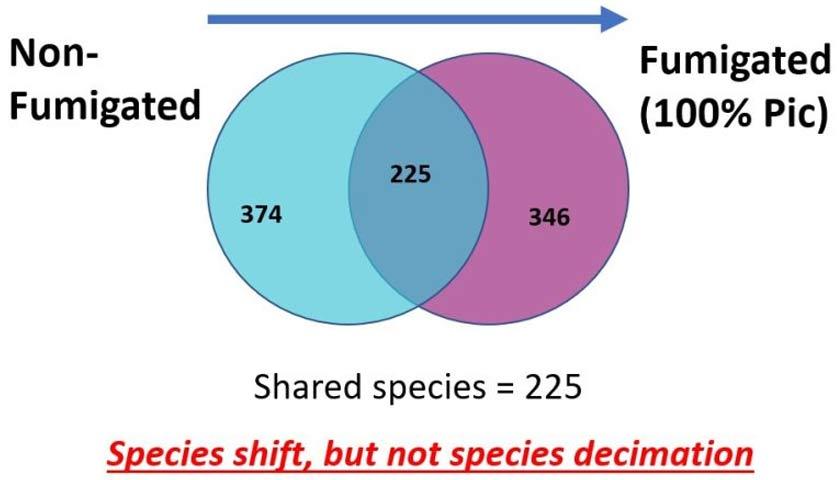
Chloropicrin Shifts Soil Biology in Powerful Ways across Diverse Regions, Crops, and Soil Types
What the studies conclusively show is that in the weeks and months following soil fumigation with chloropicrin, soil microbial communities (bacteria and fungi) shifted in remarkable and quantifiable ways.
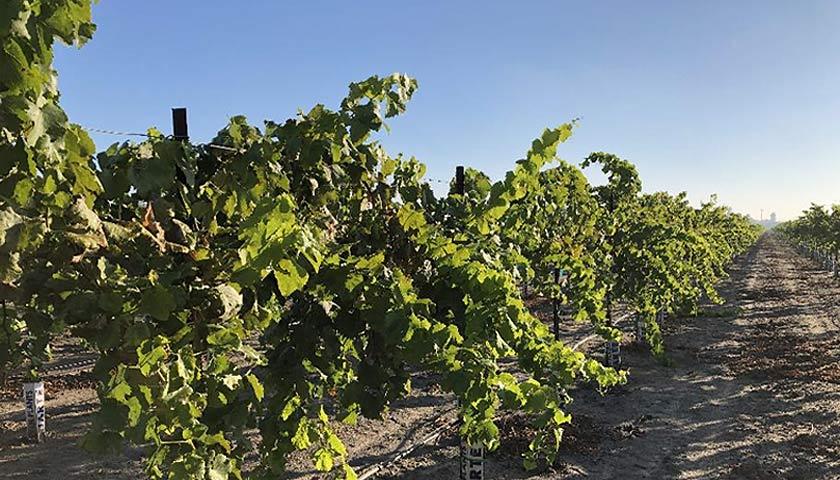
Growing Greater Grapes Pt. 2 – Modesto Trial Results
TriClor and TELONE™ fumigant treatments continue to demonstrate significant reduction in total plant-parasitic nematode (PPN) density across all 3 seasons compared to untreated control, shown in the graphic below.
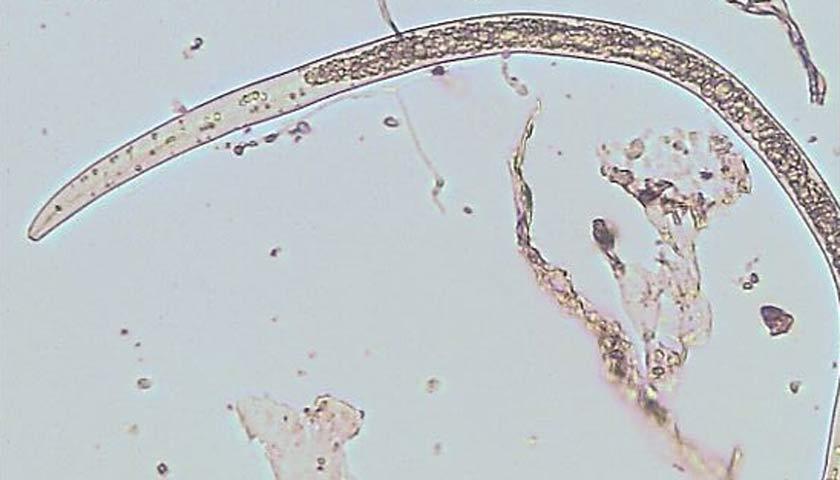
Growing Greater Grapes – Modesto Trial Update
By utilizing pre-plant fumigants in a vineyard – such as TriClor (Chloropicrin) and TELONE™ II (1,3-Dichloropropene) – growers can reduce the total parasitic nematode pressure within the soil where the grapes are being planted.
View More Articles on Aghub
Serving the Pacific Northwest
Contact Us
P: (360) 225-3588
346 N Pekin Rd, Woodland, WA 98674


© 2026 - Trident Ag Products - All Rights Reserved | Privacy Policy