Berries: Strawberries
Strawberry Fields

Fumigated

Not Fumigated

Soil fumigation has worked hand-in-hand with strawberry farmers for over 50 years to produce large, healthy yields of ripe, delicious strawberries.
Trident usually recommends fumigation for strawberry fields because the long, profitable growing seasons leave little time for the soil to recuperate between plantings. This means that the many different pathogens inhabit the soil for many, many generations of strawberry plants and they thrive without a thorough treatment that soil fumigation provides.
- Armillaria Root Rot
- Black Root Rot Complex
- Dematophora Root Rot
- Fusarium Wilt
- Leak Fruit Rot
- Leather Rot
- Macrophomina Crown Rot
- Pythium Root Rot
- Phytophthora Root Rot
- Red Stele
- Sclerotinia Crown Rot
- Sclerotinia Fruit Rot
- Southern Blight
- Verticillium Wilt
- Foliar Nematode
- Root Rot Nematode
- Sting Nematode
Common Strawberry Diseases & Pathogens
AGRONOMY HUB
Tools and resources for functional sustainability.
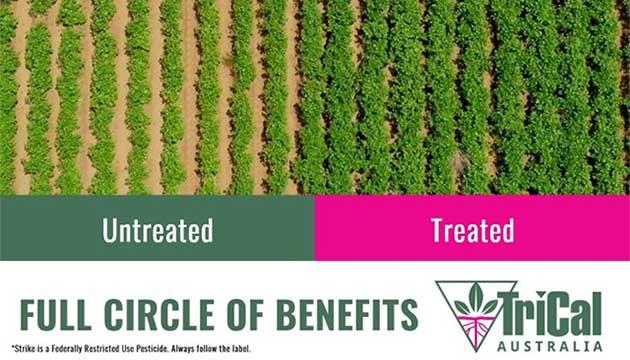
Stronger Root Development, Improved Crop Quality
Strike pre-plant soil fumigation reduces soil-borne disease while supporting beneficial soil micro-organisms, creating a healthier soil environment for crop establishment. The result is stronger root development, improved crop quality, and increased marketable yield, along with greater input efficiency and reduced rotation pressure.
How Strawberries Became the Crop we Know Today
This month’s blog is live: How Strawberries Became the Crop We Know Today. Long before they filled grocery shelves, strawberries were wild fruits foraged by ancient peoples. Strawberries aren’t just sweet—they’re a story of science, culture, and resilience.
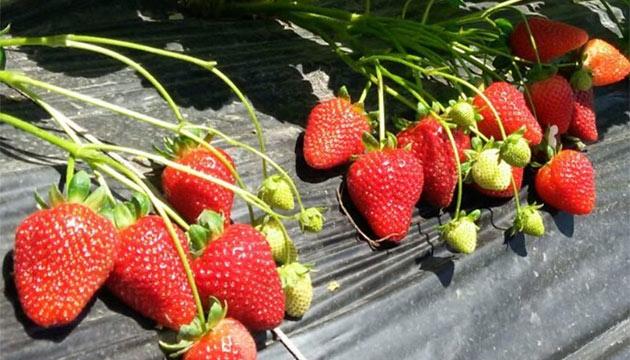
What the History of Strawberries Teaches Us Today
Strawberries didn’t become one of the world’s most popular crops overnight. Their journey from tiny wild berries in ancient forests to the robust commercial varieties we grow today is a story full of lessons for modern growers.
View More Articles on Aghub
Serving the Pacific Northwest
Contact Us
P: (360) 225-3588
346 N Pekin Rd, Woodland, WA 98674


© 2026 - Trident Ag Products - All Rights Reserved | Privacy Policy